

Table of Contents
- د غاښونو اېمپلانټ تیاری په ناردرن ډینټل کې په ډاوسن کریک کې
- د اېمپلانټ مخکې د هډوکو پیوند او د خولې روغتیا ارزونه پوهیدل
- د اېمپلانټ پروسیجر مخکې: څه وکړئ؟
- د اېمپلانټ جراحی مخکې د درملو محدودیتونه او سګرټ څکول پریښودل
- د اېمپلانټ مخکې تغذیه: څه وخورئ؟
- د اېمپلانټ وروسته رغونه: کار، موټر چلول او پاملرنه
- د غاښونو اېمپلانټ تیاری سره خپل سفر پیل کړئ
د غاښونو اېمپلانټ تیاری په ناردرن ډینټل کې په ډاوسن کریک کې
Dental implant surgery preparation involves diagnostic imaging, treatment planning, and ensuring your gums are healthy before the implant is placed. At Northern Dental in Dawson Creek, we walk you through every step of the process with clear communication and a family-first approach.
Our Dawson Creek clinic at #202 – 10312 12 Street provides comprehensive dental care under one roof, including preventive, restorative, and emergency services alongside implant treatments. We minimize the need for outside referrals so your care stays coordinated and convenient.
Understanding what preparation involves helps you feel confident and informed. When you know the steps, from x-rays and 3D imaging to gum health assessments, you can plan your treatment with greater peace of mind, and we will answer any questions you have along the way. Once your preparation is complete, we can help you explore the investment and payment options that fit your budget.
Key Takeaways
- When considering dental implants, there are a couple things we do to make sure that getting implants is the right path for you.
- After your initial consultation and undergoing any necessary bone grafting, the next phase prior to your implant placement is preparing for this procedure.
- CERTAIN DRUGS, SUCH AS BLOOD THINNERS, CAN INCREASE THE RISK OF BLEEDING DURING SURGERY TO PLACE A DENTAL IMPLANT.
- Preparation before implant surgery involves managing your medications and quitting smoking, in addition to assessing your dietary habits.
- A well-nourished body heals more efficiently, and once your implant procedure is complete the focus shifts to careful recovery.
د اېمپلانټ مخکې د هډوکو پیوند او د خولې روغتیا ارزونه پوهیدل
When considering dental implants, there are a couple things we do to make sure that getting implants is the right path for you. These are a bone grafting evaluation and a full evaluation of your oral health. At Northern Dental, we do both of these in our Dawson Creek office, so you don’t need to see multiple specialists.
Why a strong jawbone matters for dental implants
Because the implant post gets placed directly in your jaw bone, the bone in that area needs to be thick and healthy enough to hold the implant securely during everyday activities like chewing and speaking. This bone can also deteriorate over time after a tooth is lost (a process called resorption). There can also be injuries that lead to bone loss, as well as long-term use of dentures. That’s where bone grafting is needed. This procedure fills in the area with bone and helps your body create new bone so that it can securely support the implant. Our team will guide you through the dental implant bone grafting process.
What happens during your oral health assessment
Before any implant work commences, we first conduct a complete examination of your entire oral cavity. This includes a gum health evaluation, as gum disease can impact the tissues that support an implant just like it can impact the tissues that support a natural tooth. Remaining teeth are evaluated for potential problems like cavities, cracks, etc., to determine if they should be addressed prior to the placement of an implant. We use digital X-rays and scans to measure the density and shape of your jawbone in precise detail, which tells us exactly how much bone is available and whether grafting will be necessary. We also review your overall oral health, including bite alignment and habits like teeth grinding, since these factors influence how well an implant will last over time.
Once your bone graft and assessment are complete, we’ll give you clear instructions to follow before your implant surgery. Our staff at the Dawson Creek clinic are here to answer your questions at every stage and make sure you feel confident moving forward.
What to do before your implant procedure?
After your initial consultation and undergoing any necessary bone grafting, the next phase prior to your implant placement is preparing for this procedure. Our team in Dawson Creek will guide you through this phase, but there are a few things you can do in the days leading up to surgery that will make the experience smoother and safer. Taking these steps helps ensure your body is ready to heal well and that you feel calm and informed.
There are really just a few things on your "to do" list to get ready for your implant placement procedure. The most important of these things to do are as follows:
- Provide your complete medical history and a full list of current medications, including any supplements and over-the-counter drugs. This allows us to plan safe anaesthesia and avoid potential complications.
- If your dentist advises it, obtain advanced imaging such as a CBCT scan to evaluate bone volume and the position of critical anatomical structures.
- Follow the prescribed pre-operative antibiotic protocol if recommended—this helps reduce the risk of infection.
- Stop smoking and all tobacco use at least one week before surgery. Smoking significantly impairs healing and increases the chance of post-operative problems.
- Arrange for a responsible adult to drive you home after the procedure because you may still feel the effects of sedation and should not operate a vehicle.
- Prepare a soft-food meal plan in advance so you have easy-to-eat items like yogurt, soups, and smoothies ready after surgery—no cooking required.
As part of this preparation process, you will also need to look at your regular medications and make some temporary changes, as well as stop smoking. In the following section, we will look at some of the medications that may require temporary adjustment and give you an idea when to do this, as well as explain why it is so essential that you quit smoking to enable proper healing of your implant.
Medication restrictions and quitting smoking before implant surgery
CERTAIN DRUGS, SUCH AS BLOOD THINNERS, CAN INCREASE THE RISK OF BLEEDING DURING SURGERY TO PLACE A DENTAL IMPLANT. PATIENTS SHOULD TELL US ABOUT EVERY PRESCRIPTION, OVER-THE-COUNTER DRUG, AND SUPPLEMENT THEY TAKE SO WE CAN PROVIDE TAILORED GUIDANCE ON MANAGING MEDICATIONS BEFORE THE PROCEDURE. Our clinic offers personalized advice to help you and your prescriber decide whether any adjustments are needed.
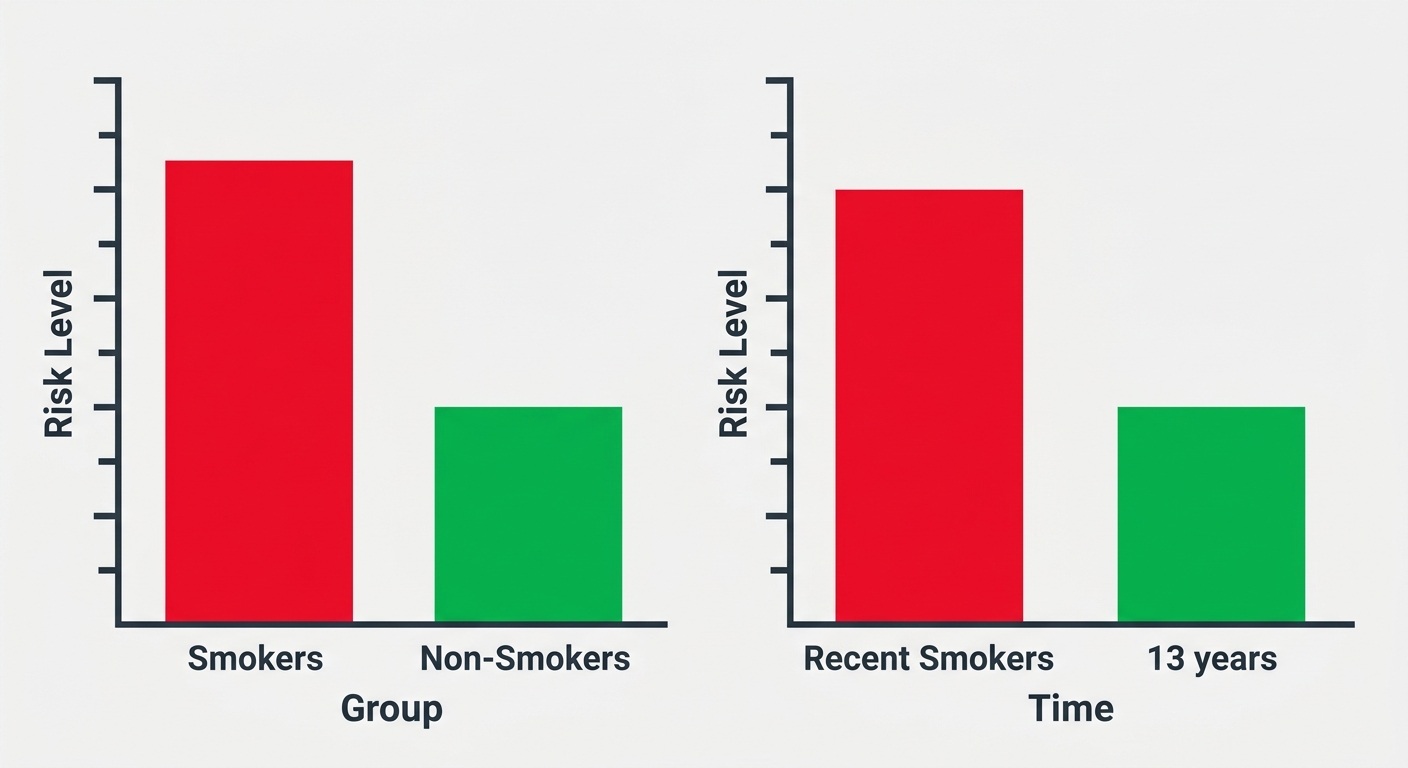
Smoking is a major threat to implant success. Health Canada notes that smokers have an 85% higher risk of gum disease than non-smokers, and nicotine weakens the mouth’s natural healing ability. That impaired healing makes it harder for an implant to integrate properly with the jawbone and gum tissue, increasing the chance of complications and treatment failure. While oral health begins to improve within a year of quitting, long-term abstinence matters: after roughly 13 years of cessation, a former smoker’s risk of tooth loss can approach that of someone who never smoked.
Creating a smoking cessation plan for dental implants is essential for success. The first step is to set a specific quit date. Identify your personal triggers and come up with a coping strategy. Nicotine replacement therapy (NRT) may be prescribed or other medications to control cravings. Plan for distractions such as a short walk or healthy snack. Review past quit attempts to learn what worked and what didn’t.
Social support increases the chances of you successfully quitting. You can use family and friends to keep you accountable, use digital tools and apps to stay on track, and use professional counseling and quitline services as effective complements to medication-assisted approaches. A structured plan that combines behavioral strategies with appropriate pharmacologic support raises the likelihood of you stopping for good.
We know quitting is not easy, but you don’t have to do this journey alone. Our team in Dawson Creek will talk with you about medication management and cessation strategies to help prepare you for a successful implant procedure. Also, make these lifestyle changes alongside attention to nutrition, since good dietary habits further support healing and recovery.
Pre-implant nutrition: What to eat?
Preparation before implant surgery involves managing your medications and quitting smoking, in addition to assessing your dietary habits. Pre-implant nutrition focuses on the foods and beverages you take before oral surgery to improve your body’s preparation for surgery and healing. At Northern Dental, we believe that a healthy, balanced diet promotes your body’s natural healing and recovery processes. The following are general tips to help you prepare for your surgery. Your surgeon will provide you with specific and personalized instructions based on your medical situation and the nature of your proposed surgery.
The goals of pre-operative nutrition are to maintain a functional immune system, and to avoid inflammation, especially in the tissues surrounding the surgical site. You want to eat a diet that will keep you energized, but won’t add extra stress on the healing tissues. Choose softer foods that are nutrient rich to prevent irritation of mucous membranes and surgical site. You want to avoid having food particles trapped in or around the surgical site. Focus on broad food categories, such as smooth, soft foods that require little to no chewing. Familiarize yourself with these foods ahead of time so that you are able to manage discomfort and keep yourself nourished during the critical period immediately preceding your surgery.
As your surgery date gets closer, especially on the day before your appointment, try to limit hard or very crunchy, sticky foods. Anything that is particularly irritating to chew and could get stuck in between your gums and teeth could make small abrasions in your gums, making your surgery even more uncomfortable. Most importantly, be sure to follow your dentist or oral surgeon’s exact instructions about eating and drinking before your implant procedure. They will modify these instructions based on your overall health and the details of your surgery. To make the surgery as comfortable as possible and to ensure that you have the least amount of problems during your recovery, you have to eat appropriate foods. We discuss this in detail later, when we discuss post-implant care and activity restrictions.
د اېمپلانټ وروسته رغونه: کار، موټر چلول او پاملرنه
A well-nourished body heals more efficiently, and once your implant procedure is complete the focus shifts to careful recovery.
Return to Work After Implant Surgery
As for returning to work, that depends on your specific role. If your job involves physical labour or requires heavy lifting or standing for long periods of time, you may need to wait a week or longer until the surgical site stabilizes. Every healing process is unique, and our dentist would be more than happy to discuss the specifics of your case to develop a customized plan for you.
Driving After Implant Surgery
Driving right after your implant surgery can be unsafe. If you had sedation, you are not allowed to drive for 24 hours. If your surgery was done using only local anesthetic, you may not be alert enough to drive due to post operative pain, swelling and fatigue. Wait until you feel fully alert and comfortable behind the wheel, and never drive while taking prescription pain medication that causes drowsiness.
Post-Operative Care for Proper Healing
For the first few days after surgery, there are a few important steps we ask you to follow that set the stage for a successful implant outcome. These include:
- Gentle oral hygiene: After the first 24 hours, rinse your mouth two to three times daily with warm salt water, but do not swish or spit forcefully. Brush your other teeth carefully, staying away from the surgical site.
- Manage discomfort: Apply an ice pack to the outside of your cheek for 20-minute intervals during the first day.
- Stick to soft foods: Choose smooth, lukewarm items like yogurt, soup, or scrambled eggs. Avoid hot, spicy, or crunchy foods and never use a straw. The suction can disturb the implant.
- Avoid activities that strain the area: During the initial healing phase, do not smoke, lift anything heavy, or engage in strenuous exercise. Vigorous rinsing and spitting are also off-limits, as these can dislodge the protective blood clot and raise the risk of complications.
- Keep your follow-up visits.
Following these steps will help to make the healing process and overall implant experience much easier.
Frequently Asked Questions
How Many Days off Work do I Need after a Dental Implant Procedure?
The time off work after a dental implant procedure depends on your job. If your work involves physical labour, heavy lifting, or standing for long periods, you may need to wait a week or longer for the surgical site to stabilize. Northern Dental can discuss your specific case to develop a customized plan.
What should I Eat before Dental Implant Surgery?
Before dental implant surgery, you should eat soft, nutrient-rich foods that require little to no chewing, such as smooth soups, yogurt, and scrambled eggs. Avoid hard, crunchy, or sticky foods that could cause gum irritation or leave particles. Follow the exact eating and drinking instructions provided by your dentist.
Do i need to stop taking medications before dental surgery?
You may need to temporarily stop or adjust certain medications, such as blood thinners, before dental implant surgery. Inform Northern Dental of all prescriptions, over-the-counter drugs, and supplements you take so they can provide personalized advice on managing them safely. Always consult your prescriber before making changes.
Can i drive home after getting a dental implant under sedation?
No, you cannot drive home after dental implant surgery under sedation. You are not permitted to drive for 24 hours following sedation. Arrange for a responsible adult to drive you home, and do not drive while taking prescription pain medication that may cause drowsiness.
What are the pre-operative instructions for dental implants?
Pre-operative instructions for dental implants include providing your full medical history and medication list, stopping smoking at least one week before surgery, arranging a ride home, and preparing a soft-food meal plan. Follow any prescribed antibiotic protocol, and obtain advanced imaging if your dentist advises it.
د غاښونو اېمپلانټ تیاری سره خپل سفر پیل کړئ
Successful dental implant surgery preparation in Dawson Creek begins with a friendly consultation and a thorough assessment at our clinic. Careful planning, a comprehensive exam, and an honest conversation with your dentist set the foundation for a lasting, healthy smile.
We believe that every successful implant outcome starts long before the procedure itself, from your initial exam to treatment planning. We pride ourselves on completing the entire process of your care in the Dawson Creek office. This ensures that you will not need to seek treatment at multiple locations. You will also have the security of knowing that the staff you meet at the beginning of your care will be the same staff that gives you the final restoration.
Our clinic provides transparent pricing. We’ll walk you through every step of your preparation and treatment. Our clinic is open Tuesday through Friday and our hours are 8:00AM – 4:30 PM.
Ready to start your journey? Call us at (250) 782-3331 today to book your consultation and take the first confident step toward a renewed smile.
Start Your Implant Journey in Dawson Creek
Your journey to a confident smile begins with thorough preparation, and Our clinic is here to guide you every step of the way. From bone grafting and oral health assessments to medication reviews and nutritional advice, our comprehensive under-one-roof care ensures you’re fully prepared for implant surgery. We provide transparent pricing and a friendly, family-focused environment right here in Dawson Creek, British Columbia. Our team is available Tuesday through Friday from 8:00 AM to 4:30 PM to answer your questions. Call us at (250) 782-3331 or visit #202 – 10312 12 Street to schedule your personal consultation. Let us help you take the first step toward a lasting, healthy smile without the need for outside referrals.
